
Last Updated February 2, 2025
Disclosure: This post may contain affiliate links. If you choose to purchase through my links, I may earn a commission at no additional cost to you. Please review my disclaimer for details.
Launching a niche blog is one of the most effective ways to build long-term income—either as a passive side hustle or a full-scale online business. In this guide, I’ll walk you through exactly how to start a niche blog that’s designed to make money.
“Once you become a blogger, it’s hard to stop.”
Once you master the process—building, scaling, and eventually selling websites—you’ll realize this model can be repeated again and again.
Who am I to tell you this?
I’ve launched multiple niche blogs, grown them strategically, and sold them for strong profits. Within just one year, I sold two niche sites for over $250,000 combined. What’s even better? Those sites were built as part-time projects and were my very first blogs.
You can read more about my philosophy and strategy here.
Those early projects taught me a lot—and I’m still learning every single day.
My ultimate goal is to help others earn money online so they can design a more flexible lifestyle. There has never been a better time to build income on the internet.
That said—this path isn’t easy. The image below perfectly sums up what being a niche blogger actually looks like behind the scenes.
Below, I’ll share some of the most important lessons I’ve learned so you can start your blog the right way and avoid costly mistakes.
Steps to Start a Niche Blog That Makes Money
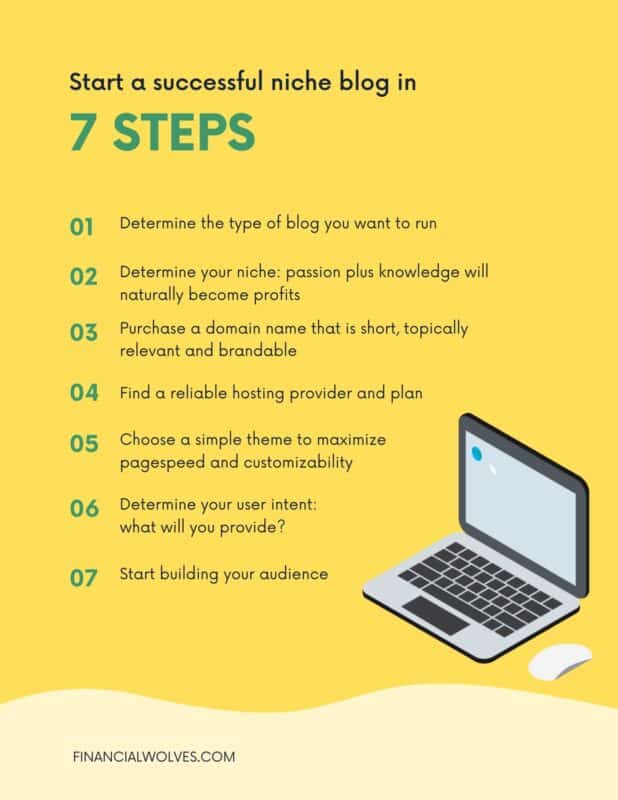
Let’s break down the exact steps you should follow to build a niche blog positioned for real success.
#1 – Decide What Type of Blog You Want to Build
Before you start, it’s important to understand the trade-offs involved in blogging. Not to discourage you—but to help you decide which challenges you’re best equipped to handle.
The obstacles you’re willing to face will shape the type of blog you should create.
- Personal Blog: Built around your name and personality. You’re growing a loyal audience that follows you directly.
- Branded Blog: A business-style site with a strong brand identity. Think large authority sites rather than personal stories.
- News Blog: Focuses on trends and viral topics. High effort, fast-paced, and competitive.
- Affiliate Blog: Content is built specifically to capture buying intent and drive conversions.
- Media Blog: Supports content published on platforms like YouTube or podcasts.
In today’s crowded content world, clarity and positioning matter more than ever.
Evergreen (Informative) Content
Evergreen content stays relevant for years. This is the foundation of profitable niche blogs.
- How-to tutorials
- In-depth guides
- Case studies
- Resource pages
SEO-driven evergreen content provides the highest long-term return and should be your main focus early on.
News & Viral Content
News-based content generates quick spikes in traffic but fades fast.
- Breaking news
- Original data
- Press releases
- Surveys
Used strategically, this content can earn backlinks and amplify your evergreen posts.
#2 – Choose a Profitable Niche
The best niches sit at the intersection of three factors:
- Your skills or experience
- Your interests
- Clear monetization potential

Ask yourself:
- Can I write about this long-term?
- Do I genuinely enjoy this topic?
- Is there demand and money in this space?
Start narrow, gain authority, and expand later.
#3 – Buy a Brandable Domain Name
Free domains kill credibility. If you’re serious about building an asset, invest in a proper domain.
I personally use GoDaddy to purchase and manage domains.
- Keep it short and memorable
- Avoid spammy exact-match names
- Brandability beats keywords
- Consider aged domains if possible
You can also brainstorm ideas using tools like NameMesh.
#4 – Choose Reliable Hosting
Solid hosting gives you room to scale without headaches.
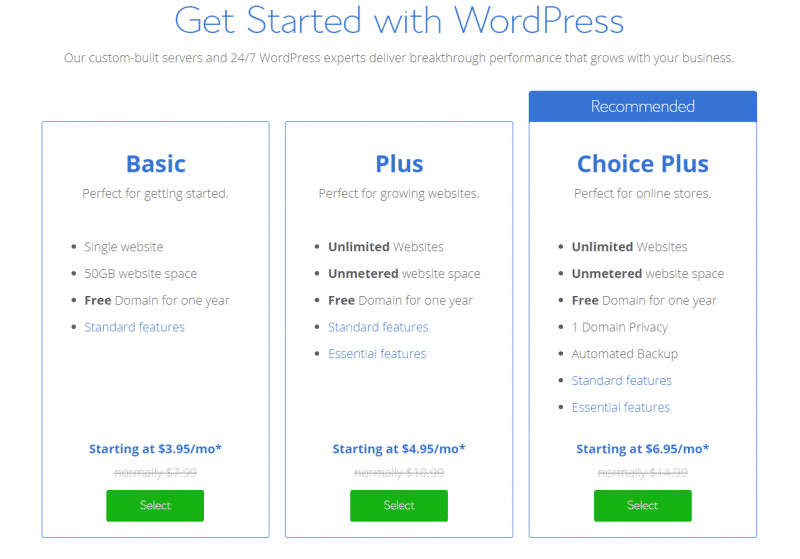
A beginner-friendly option is Bluehost, which offers affordable plans and a free domain.
#5 – Pick a Lightweight Theme
Your content is the product—your theme should stay out of the way.
I recommend the Genesis Framework by StudioPress for its speed and simplicity.

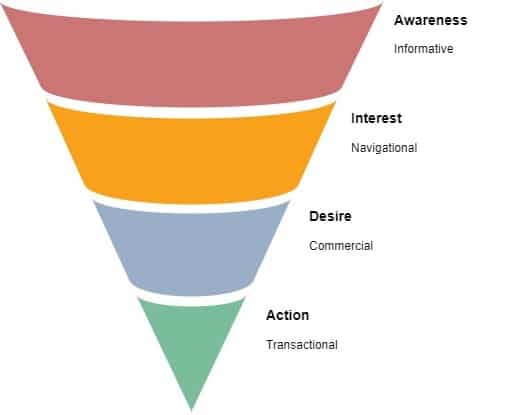
#6 – Match Content to User Intent
Define your revenue goal first—then build content backward.
- Affiliate commissions
- Courses or products
- Memberships
#7 – Build an Audience You Own
Email lists protect your business and multiply profits.

Focus first on high-ROI traffic sources: